
What on Earth are You Eating?
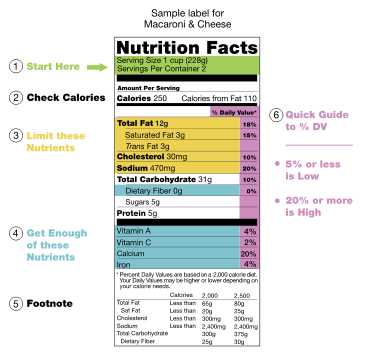
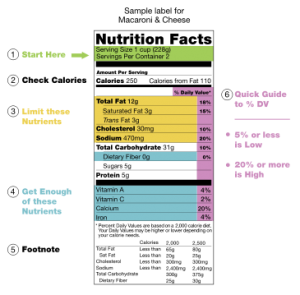 Do you ever pick up the package and look at the Nutrition Label?
Do you read the Ingredients List?
I’m sure you do. Even if just some of the time. But do you understand what you are looking at? Do you understand what they mean?
Here’s a little quiz for you:
a) What is soy lecithin?
b) What is Xanthan gum?
(These you’ll find on lots of supposedly healthy food products.)
c) What is modified food starch?
d) What is butylated hydroxytoluene?
(All these you’ll find in loads of packaged foods.)
Answers below, but let me talk to you a little bit more about labeling.
Currently we are concerned with GMO (genetically modified organisms) labeling, but labeling isn’t going to help if
a) we don’t read the labels,
and
b) we don’t understand them when we do read them!
So, I’ve been thinking for a while that I would like to teach people how to read labels, both the Nutrition Facts Label and the list of ingredients. How to make sense of them, and how that can lead to a much healthier you (and your family!)
You may remember my ‘rule of thumb’ … if your thumb doesn’t fit over the ingredient list, then don’t eat it!
But seriously, that’s just the start.
Consider this, when we read the Nutrition Facts Label, we are given a Serving Size and the nutrition in that serving size. Well, the serving size listed on the label may not correspond with what you consider a serving to be. For example, I just looked at a bag of potato chips (that’s crisps back home). Okay, I didn’t claim to be a saint, now did I?
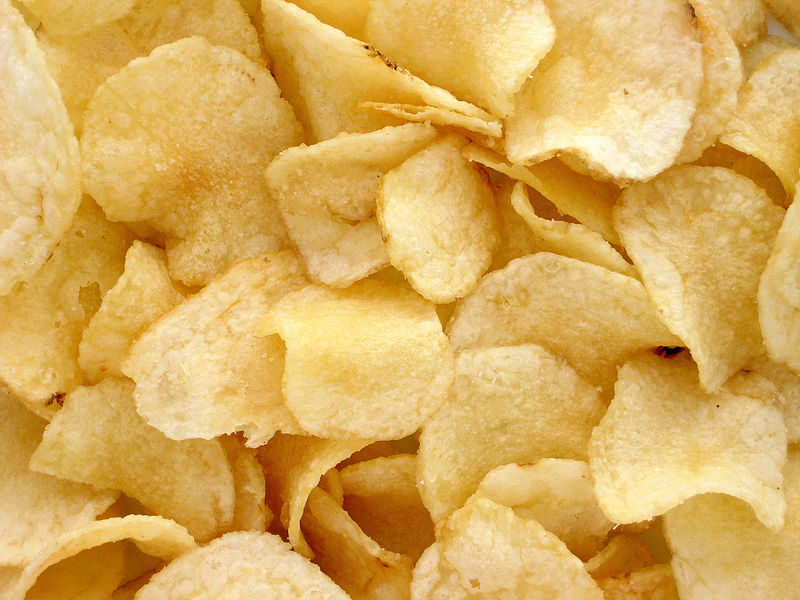 The recommended serving size was 12 chips/crisps. When do you ever sit down and eat 12 average sized chips/crisps? Me? Nevair!!!
Oh my, you don’t think the manufacturer was trying to trick us do you? Yes I do! You betcha I do!!!
I then decided to serve my usual serving. Yes, I’m very good…I put my crisps in a bowl and only eat the bowl full and never munch them from the bag. Hmmm…maybe I am a little bit saintly. Anyhoos, it turned out my little rice bowl actually held 3 servings … argh!!!
I told hubby. He was shocked. I then lectured him for ten minutes on the subject of labeling. He was impressed. Hooray!
He’s started to read food labels. When he doesn’t know how, he comes to me for help.
And that brings me back to what I’d like to do next…I’d like to help you learn to read labels too!
So, this is my love note asking if it’s something you’d like to learn. Because if you would, I’m pulling out the video camera, grabbing some packets of food and typing up a storm. The course will be delivered!
If not, I will continue to nag my family, friends and loved ones…and don’t even get me started on GMOs, icky chemical additives and sugar. Argh, not sugar…that’s a course of it’s own!
Please take a quick moment to let me know your thoughts below.
And before I forget…
The Answers are:
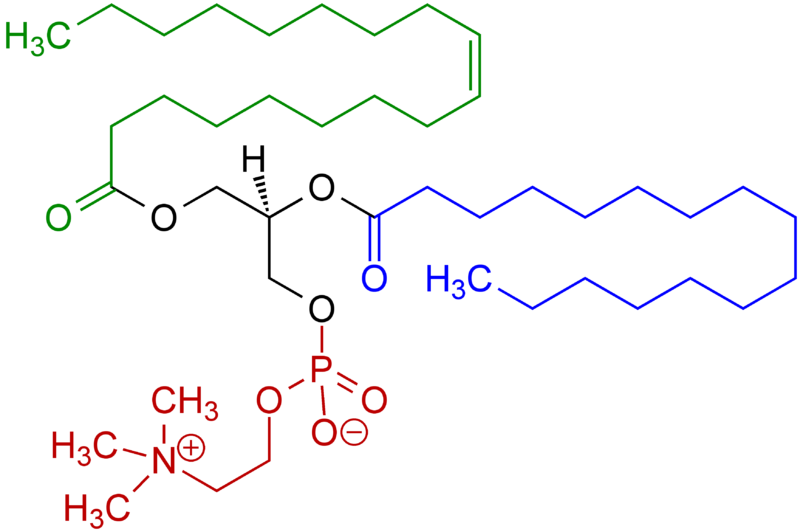
a) “Soybean lecithin comes from sludge left after crude soy oil goes through a ‘degumming’ process. It is a waste product containing solvents and pesticides and has a consistency ranging from a gummy fluid to a plastic solid. Before being bleached to a more appealing light yellow, the color of lecithin ranges from a dirty tan to reddish brown. The hexane extraction process commonly used in soybean oil manufacture today yields less lecithin than the older ethanol-benzol process, but produces a more marketable lecithin with better color, reduced odor and less bitter flavor.” (1)
It’s a by-product used as a filler in foods, especially chocolate…wah!!!
b) When the bacteria Xanthomonas campestris is introduced to a nutritive solution containing carbohydrates (from corn, wheat, dairy, or soy), fermentation begins. The polysaccharide xantham gum is produced as a byproduct. The xanthan gum is then precipitated from the solution using isopropyl alcohol, dried, and milled into a powder so that it can be added to food and other products. It’s labeled a natural product. Isopropyl alcohol is rubbing alcohol. Symptoms of exposure include: skin irritation, drowsiness, dizziness, headache and dry cracking skin.
Yum? No thanks! It makes gluten free foods bind and mimic wheat products…so sad.
c) Who knows? There are no rules saying that source has to be disclosed. Labeling it ‘food’ is pretty much a misnomer in my world. It can be made from any grain. Beware the gluten intolerant. And it can be treated in a number of ways, including sodium or potassium hydroxide, various acids, roasting and adding an electric charge.
Cheap to produce, it’s used to emulsify or bulk up, provide a longer shelf-life and as a substitute for fats in low-fat foods. Check your yogurt, salad dressing, macaroni and cheese…and more. Oh and btw, Corn Syrup is a modified food starch!!!
d) A preservative that promotes longer shelf life in foods by stopping naturally occurring rancidity. It preserves fats in foods. Sounds good? Hmmm…the oxidative characteristics and/or metabolites of BHA and BHT may contribute to carcinogenicity or tumorigenicity. That is there is a certain school of thought that believes they may be cancer and tumor causing.
There is evidence that certain persons may have difficulty metabolizing BHA and BHT, resulting in health and behavior changes. It’s in bread, cereals, pasta…and loads more.
(1) Shurtleff, William and Aoyagi, Akiko. What Is Lecithin? Chapters 1-6 from History of Soy Lecithin. In Soyfoods: Past, Present and Future. Unpublished manuscript, (Lafayette, CA, Soyfoods Center, 1981).
Eeek that’s terrifying! And another reason I eat processes foods as little as possible. My rule with ingredients is, if I can’t pronounce it, chances are I don’t want to eat it either…
Hooray! So happy to hear that Helen. I must admit to being a supermarket snooper. I look at all the stuff people are putting in their carts and I want to say ‘have you read what’s in that?’ … but I’m learning that people don’t understand how to read the labels! But I agree with you…my favorite is to eat unprocessed foods. Eat healthy!
And people wonder why they are getting sick all the time! I think its a great idea to educate people about what they are putting into their bodies…
Woohoo!!! I know you are a label reader Emma! Thanks for your feedback. Much appreciated.
Eating healthy and taking care of my body from the insdie out is something i take very seriously. I DO read labels and I DO know the good vs the bad that is revealed in each one! This is just something that is important to me and I don’t put chemicals in or on my body! Thanks Jacqueline! XO
Good for you Belinda. Of course, everything is made up of chemicals…even an apple has a chemical composition. We just don’t need all this extra icky stuff!
After moving to the US I am reading more labels than ever, can’t believe all the shit that is called food. Thank you so much for teaching us what the ingredients actually are! Hope more people will start making their own food from scratch, it doen’t have to be that difficult!
I had to become a label reader when my daughter was diagnosed with ADHD and we decided to get our diet clean (it worked btw) and must admit to getting sloppy over the years. And then moving to America I’ve had to get super picky again too Christine.
A lot of the food additives and processes approved in the US are banned in other countries!
And yes…more and more people are turning to cooking at home…thank goodness!
Seriously, THREE CHEERS for this post! YES, I would LOVE to see you rockin’ your label teachin’ n preachin’ via video! I would be deeply grateful. It’s so so sad to see how careful and mindful we have to be, even when we buy “organic” stuff…makes me mad. Thank you for sharing your amazing knowledge, lovely Jacqueline! Looking forward to more!!!
I love you! Teachin’ and a preachin’ … sums me up! LOL! Thanks for the fabulous feedback darling.
I must confess that I read labels from time to time, though I should say that I prefer home made food, and I never buy cakes that can survive without fridge for a long time, they look very pretty but I can imagine how many chemicals are inside.
Thanks for your post, I think it would be interesting to learn about food labels.
Awesome. I’m delighted to share. Nudge, nudge…read some more…you’ll be glad you did!
Labels are so confusing. I used to work in the food industry and I still don’t know what half the stuff means. So crazy what is out there. So bad for our bodies. No wonder people are getting sick. Thank you for sharing what some of the words means! Super helpful!
Glad to be of help. It really is about awareness. If we don’t know what it is, maybe we need to think before we eat it!
We are most definitely on the same page (on food and joy and other things).
I don’t have to read labels because I made a vow to eat only real food. It’s so less stressful this way. I’ve been teaching my daughter, too, to look at labels and see that some of the ingredients aren’t actually food…and she says “ewww” to ingredients like xantham gum.
Love it when the kids get it! Yes, eating whole foods is my preferred way to get nourishment. What I’ve now noticed is that when we eat out we have no control. There’s a lovely little crepe and coffee shop opened locally that brought my attention to it. They are picky and the food is fabulous! Thanks for sharing, oh kindred spirit! xox